At The Rashi School, learning is lived, explored, and shared. That spirit was on full display at this year’s Grade 4 and 5 STEAM Fair, where students transformed Milas Hall at Olin College of Engineering into a vibrant showcase of curiosity, innovation, and purpose. After weeks of experimentation and ideation in Rashi’s newly renovated maker space, families and educators were immersed in demonstrations of hard work and innovation.
A defining strength of a Rashi education is our integrated approach: rigorous academics paired with meaningful application and grounded in Jewish values. The STEAM Fair exemplifies this beautifully. More than a traditional science fair, it brings together the scientific method, engineering design, mathematics, and language arts. Students are empowered to investigate complex ideas and communicate their findings with clarity and confidence.
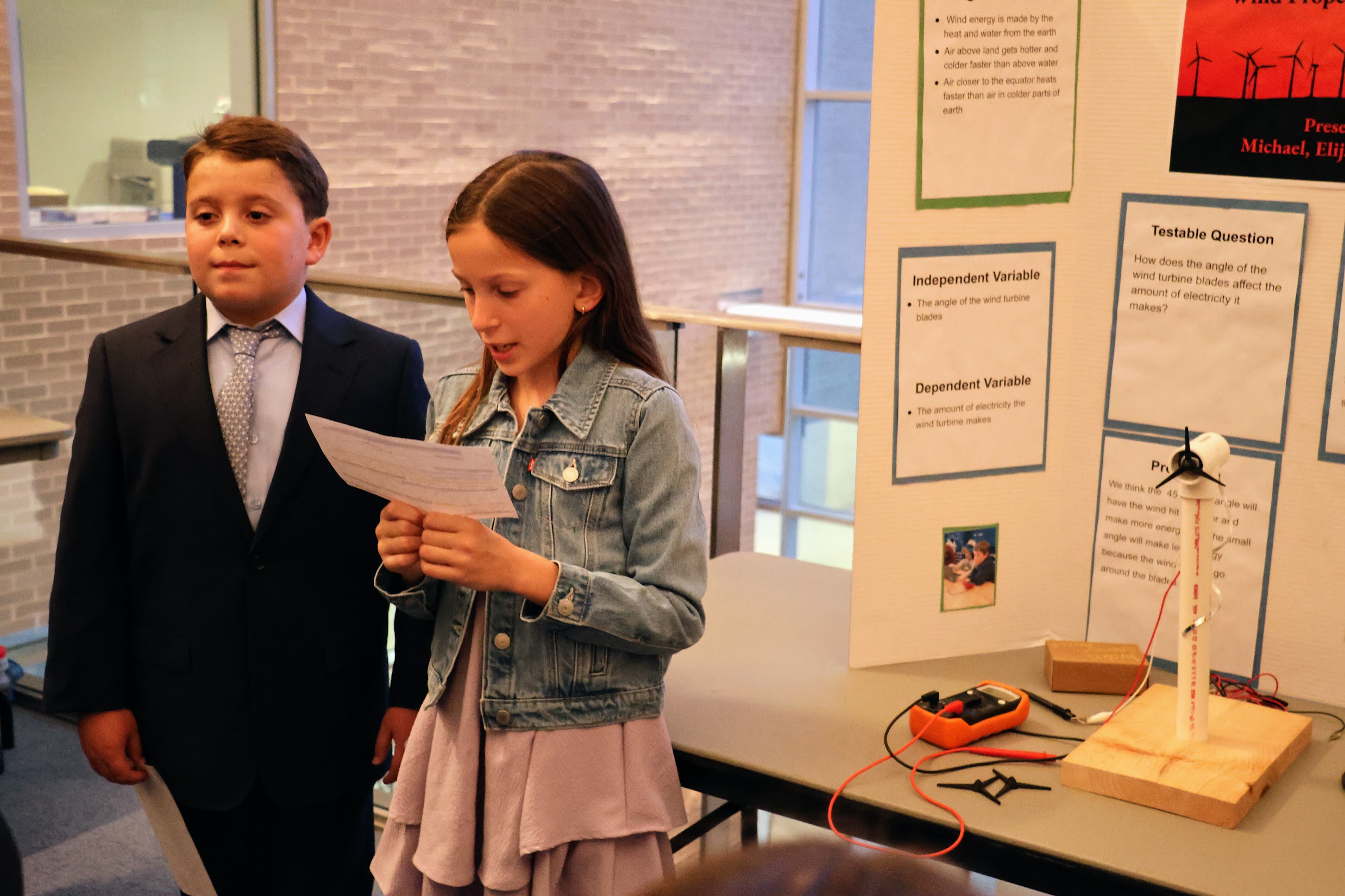
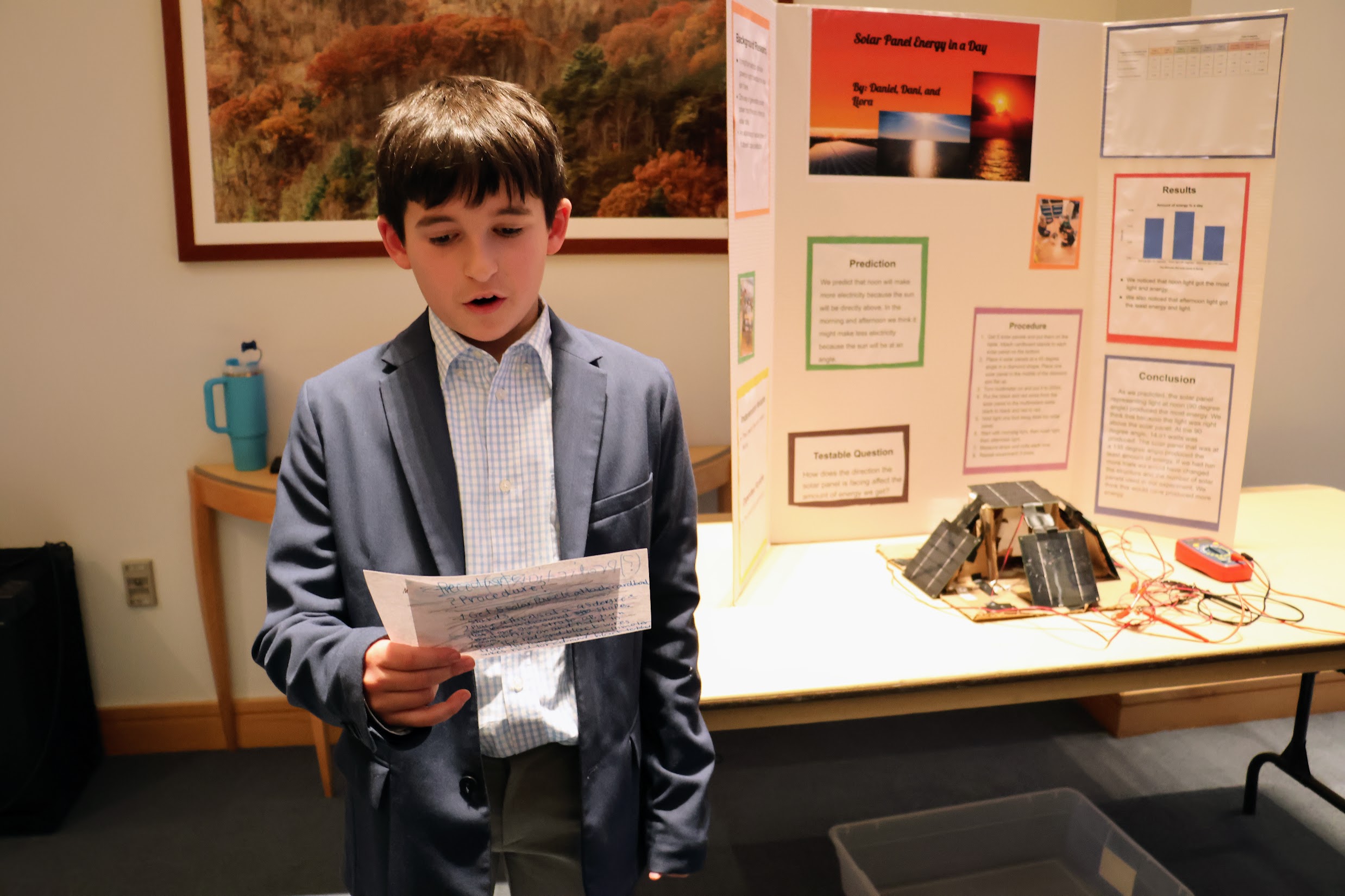
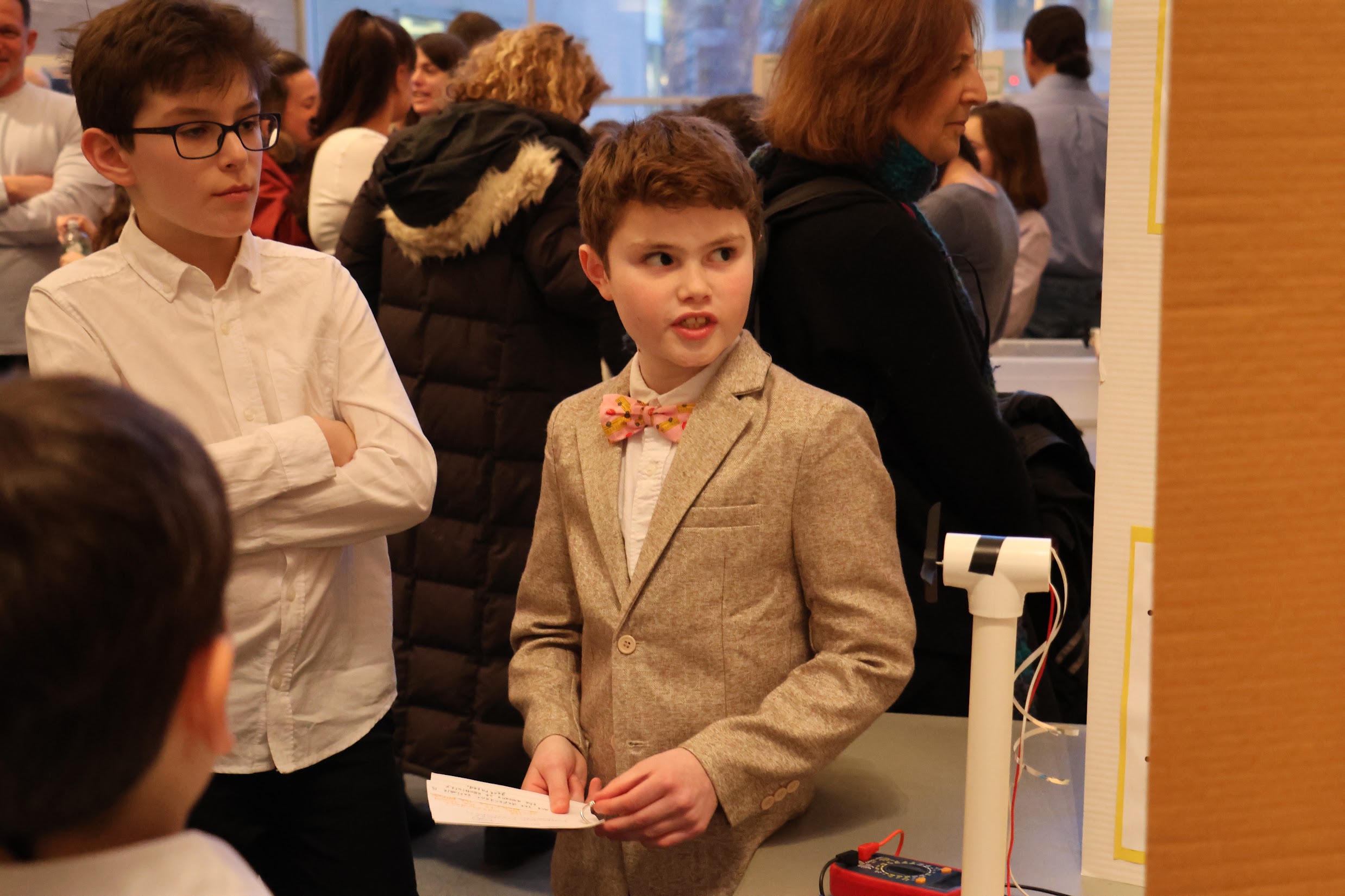
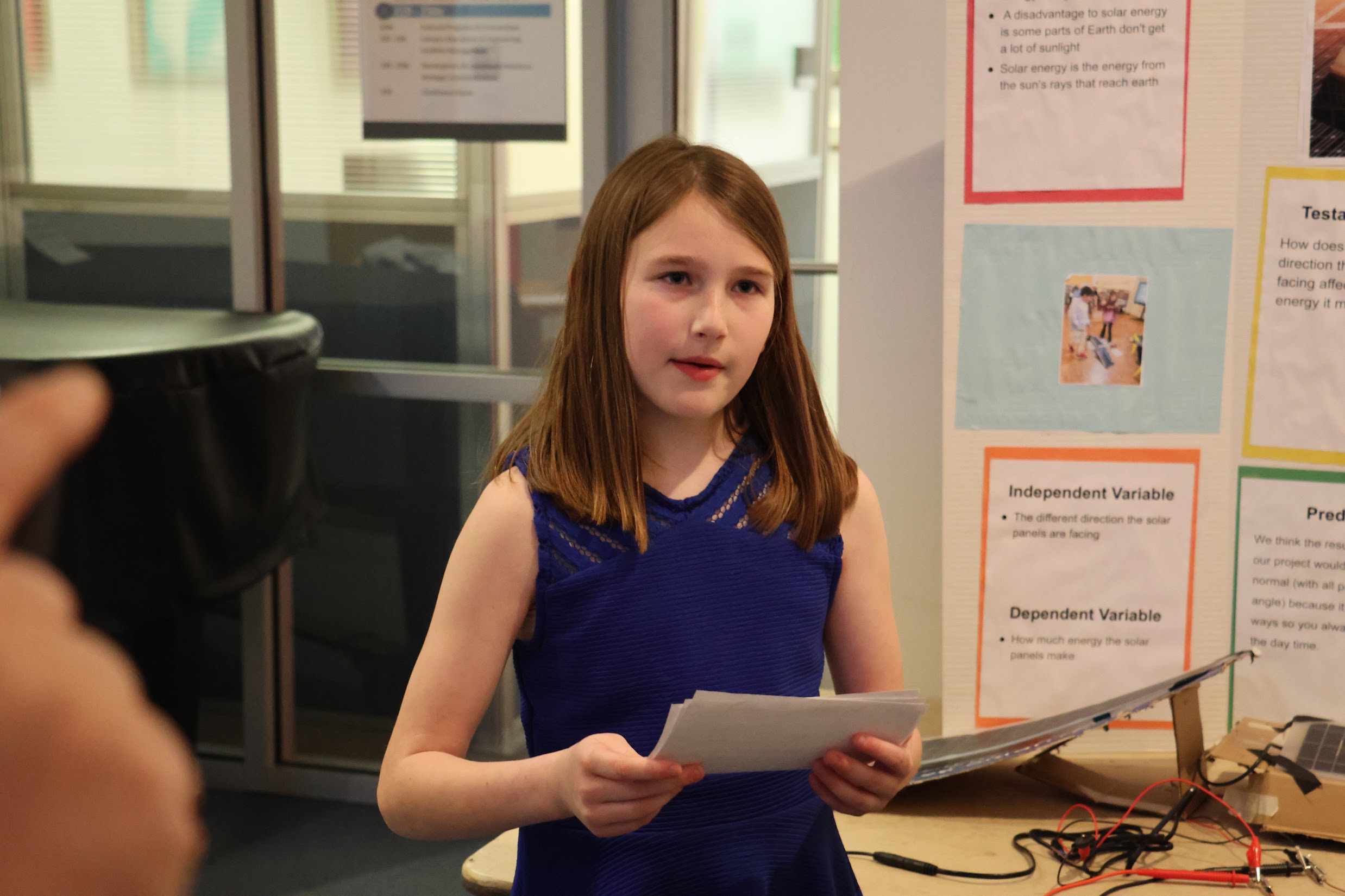
This year, Grade 4 students focused on renewable energy, inspired by the United Nations Sustainable Development Goal (“UN SDG”) #7: Ensuring Access to Affordable and Clean Energy. As one student proudly shared in opening remarks, “We are excited to highlight what we have learned about renewable energy and the important role it plays in providing clean energy for everyone on our planet.” Students explored solar, wind, hydroelectric, and geothermal energy, and designed and tested their own models.
Grade 5 based their projects on regenerative agriculture inspired by UN SDG #2: Zero Hunger. One student described it this way: “Instead of just ‘using’ the land until the soil is dead, regenerative farming actually fixes the Earth while we grow food.” Students experimented with a wide variety of regenerative agriculture techniques, including hydroponic farming, the ancient practice of olla (oy-yah) irrigation, harvesting fresh water with fog catchers, and designing robotic pollinators.
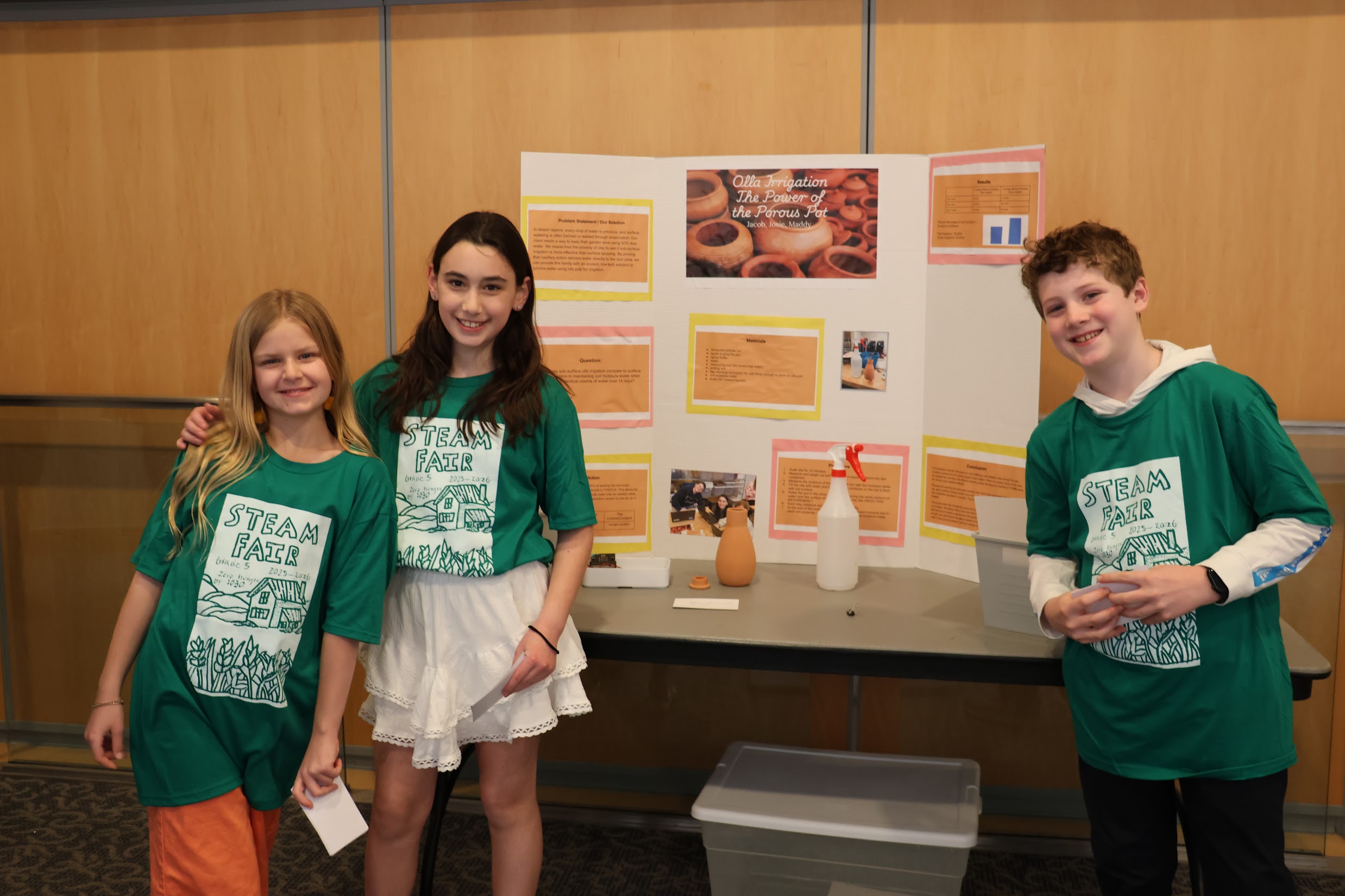
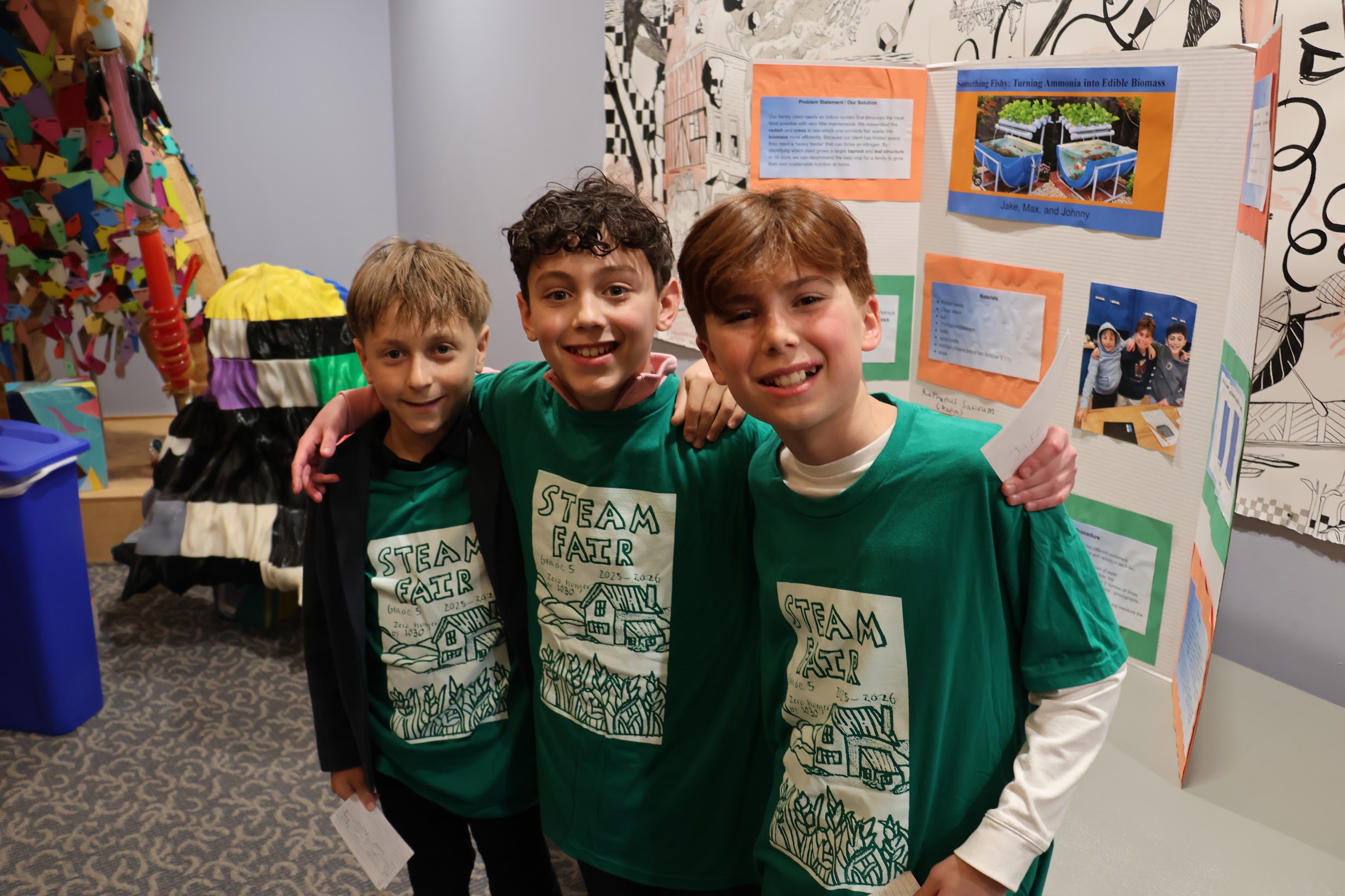
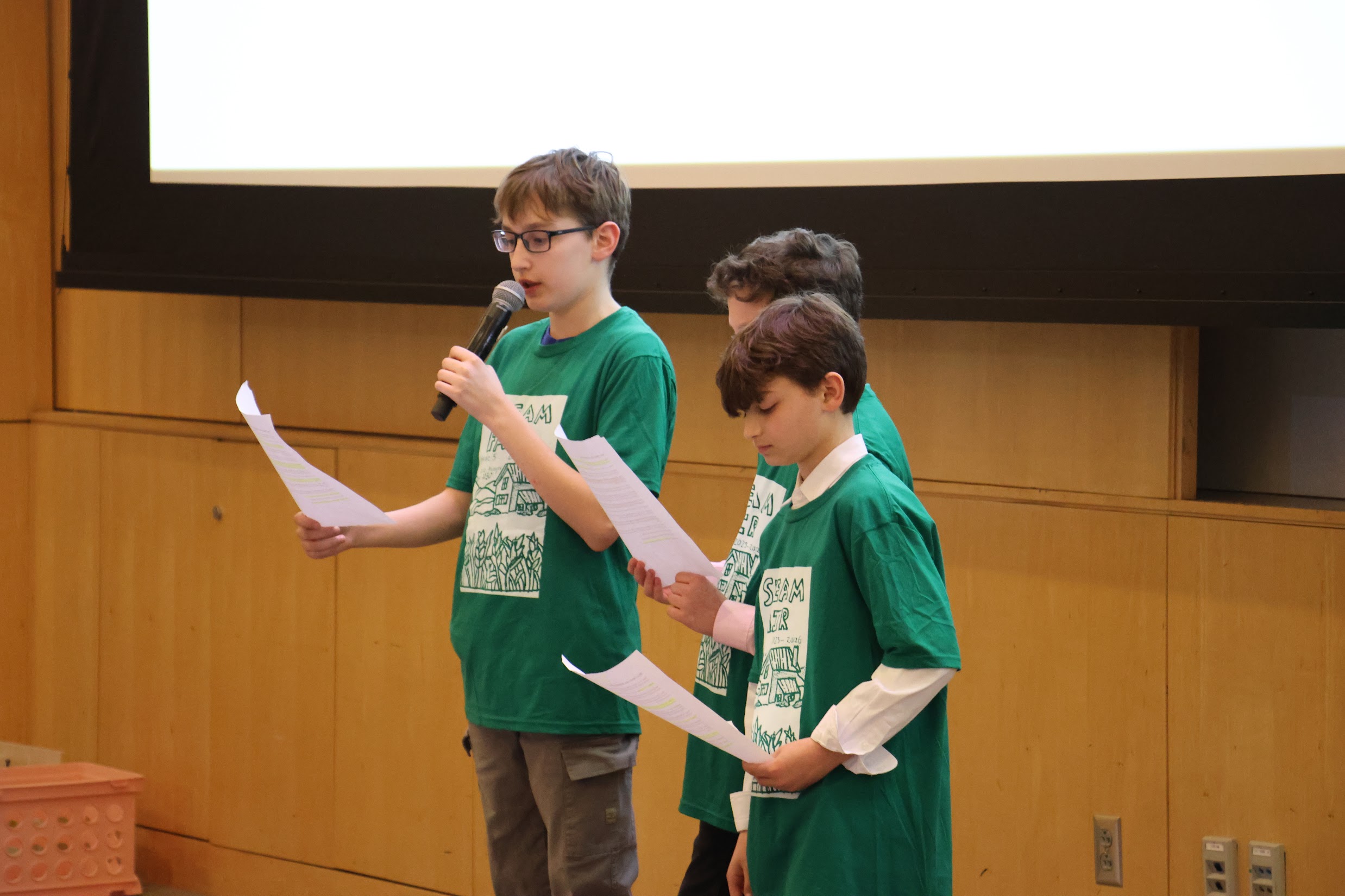
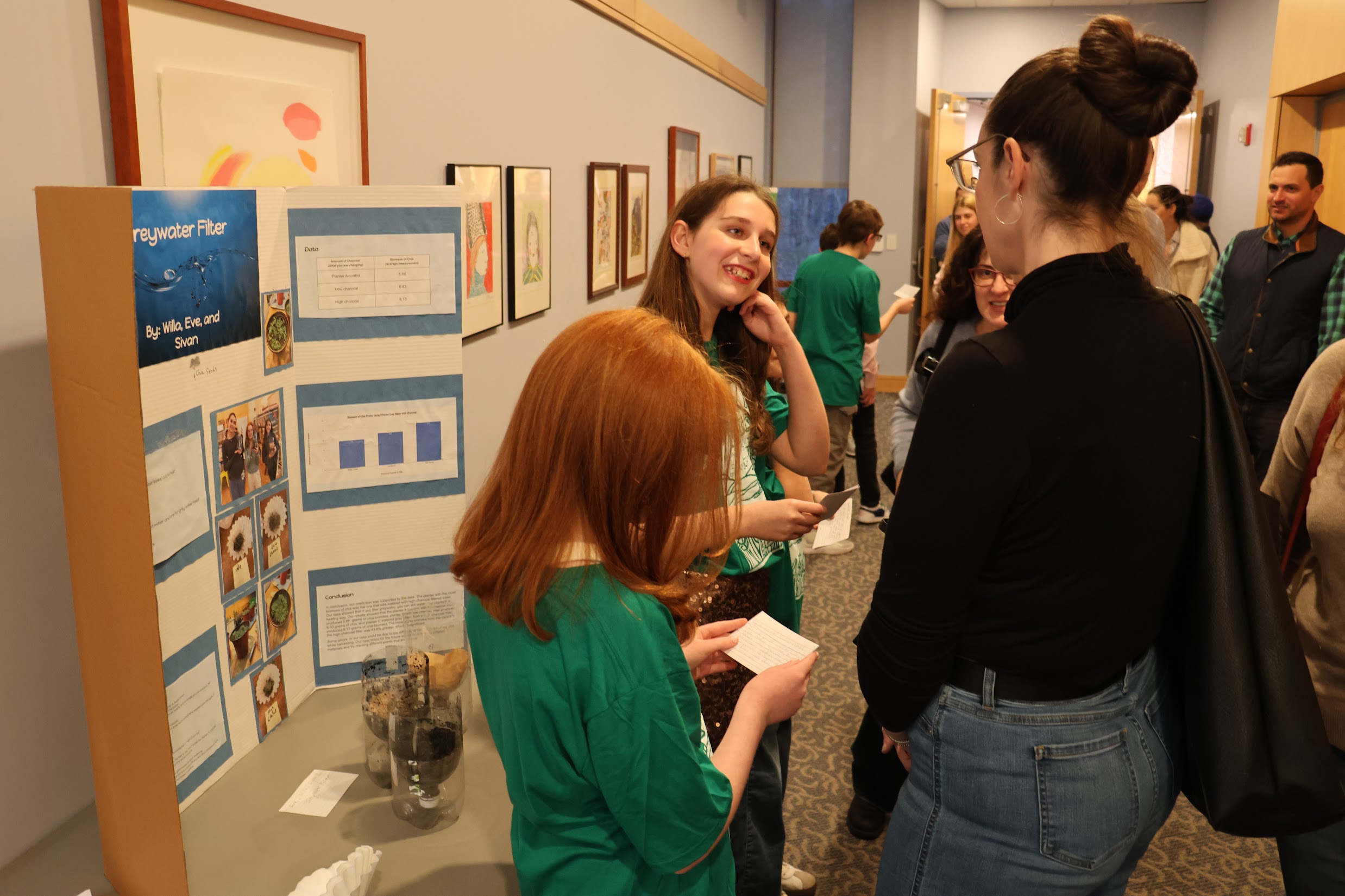
Throughout the evening, families and community members were welcomed not just as observers, but as active participants in the learning process. Students confidently guided visitors through their work: demonstrating experiments, explaining their thinking, and answering questions with poise well beyond their years.
These projects involved data and investigations rooted in real-world challenges. By connecting their work to global goals and the Jewish value of tikkun olam (repairing the world), students experienced firsthand how learning can drive meaningful impact.
Equally powerful was the emphasis on communication and presentation. Students stood proudly beside their work, speaking with clarity and enthusiasm, transforming complex concepts into compelling stories. These moments of public speaking — supported by teachers and celebrated by families — build confidence that extends far beyond the classroom.
The STEAM Fair is more than an event; it is a reflection of what makes Rashi exceptional. It is where hands-on, experiential learning meets purpose. Where students are not only challenged academically, but inspired to think critically, act ethically, and share their ideas boldly.