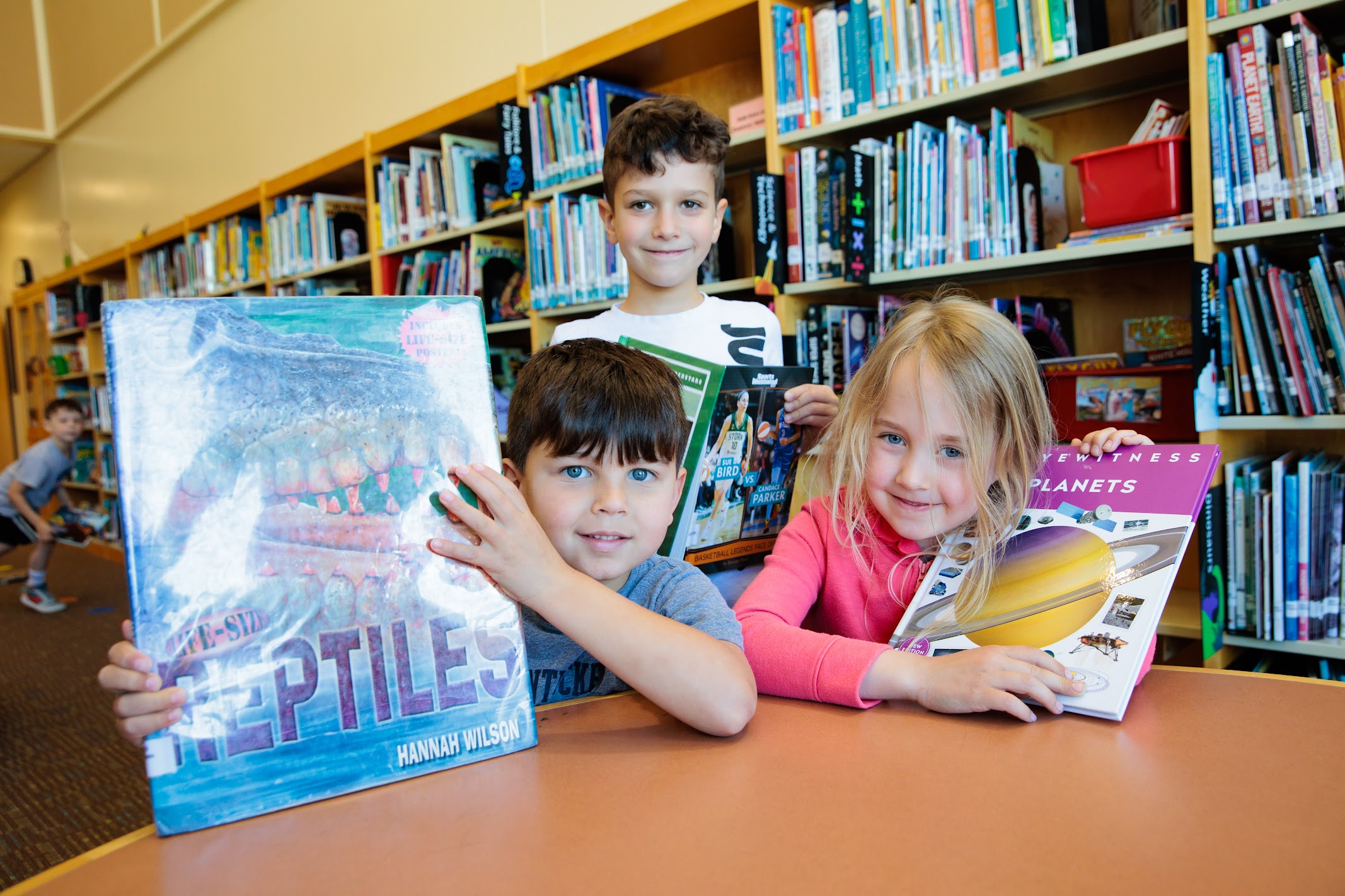
At Rashi, the library has never been just a room full of books; it’s a launchpad for curiosity, discovery, and lifelong learning.

Julie Koven P’28, ’30 Director of Library & Educational Technology
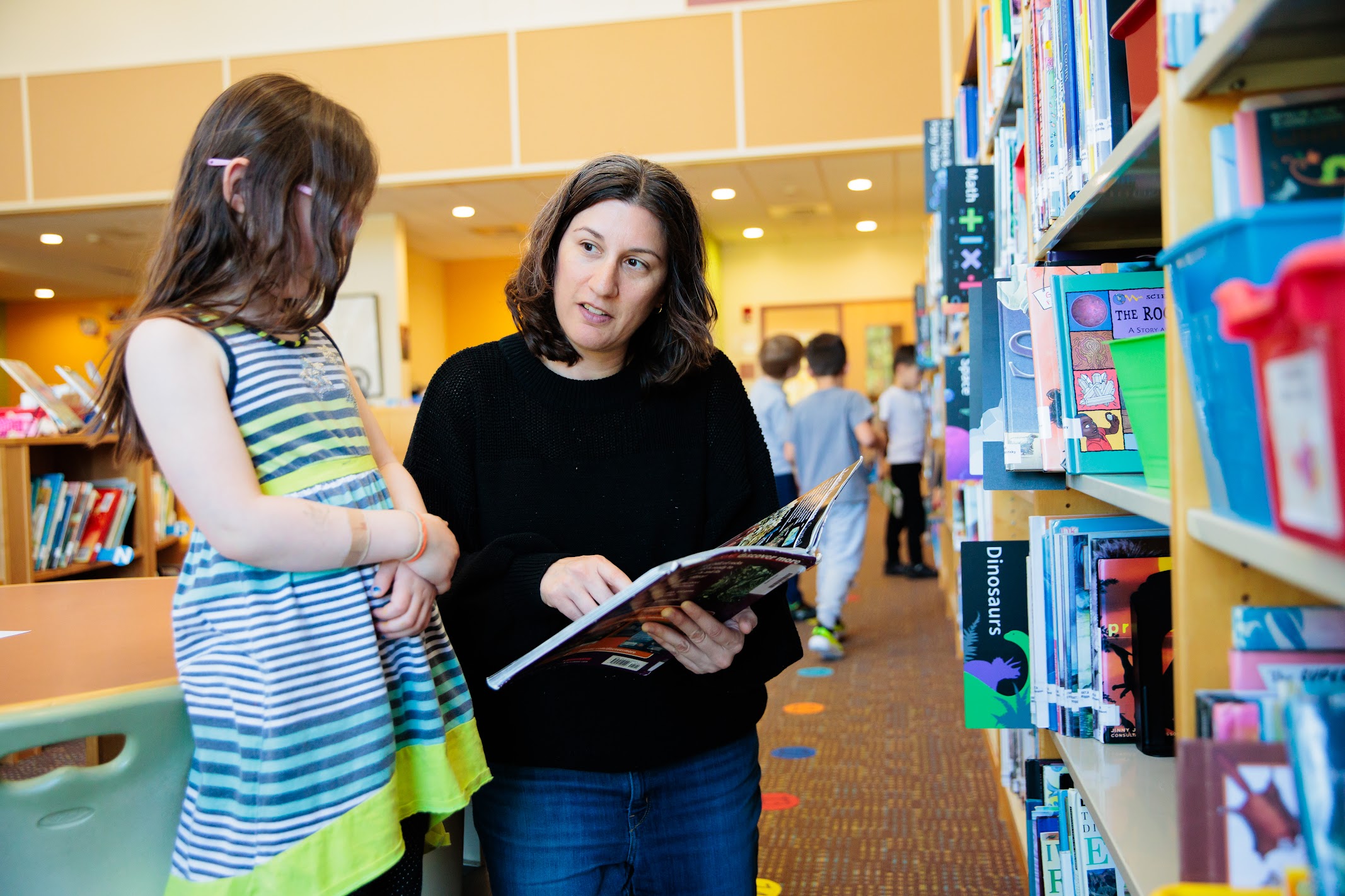
As an educator, I aim to go far beyond helping students find a great story, though that joy remains at the heart of what I do. One of my main missions has always been to teach information literacy, guiding students on how to navigate the digital landscape, evaluate sources, spot misinformation, and ask the right questions.
In today’s fast-paced digital world, our students are swimming in an endless ocean of information. They can access millions of facts (some true; some not so true), with a single click, but having information isn’t the same as understanding or synthesizing it. That is why I believe the role of our library, digital literacy, and digital citizenship curriculum is more essential than ever. We are equipping Rashi students with the tools to analyze, question deeply, spot bias, and make sense of the world around them.
When I encourage students to explore diverse perspectives on our shelves, they’re building empathy. When we evaluate and compare data across multiple sources, they demonstrate their critical reasoning abilities and build intellectual stamina. When we evaluate a source itself, they sharpen their analytical tools to determine credibility and think for themselves. When we chat about their favorite characters, I give them a safe space to explore their interests.
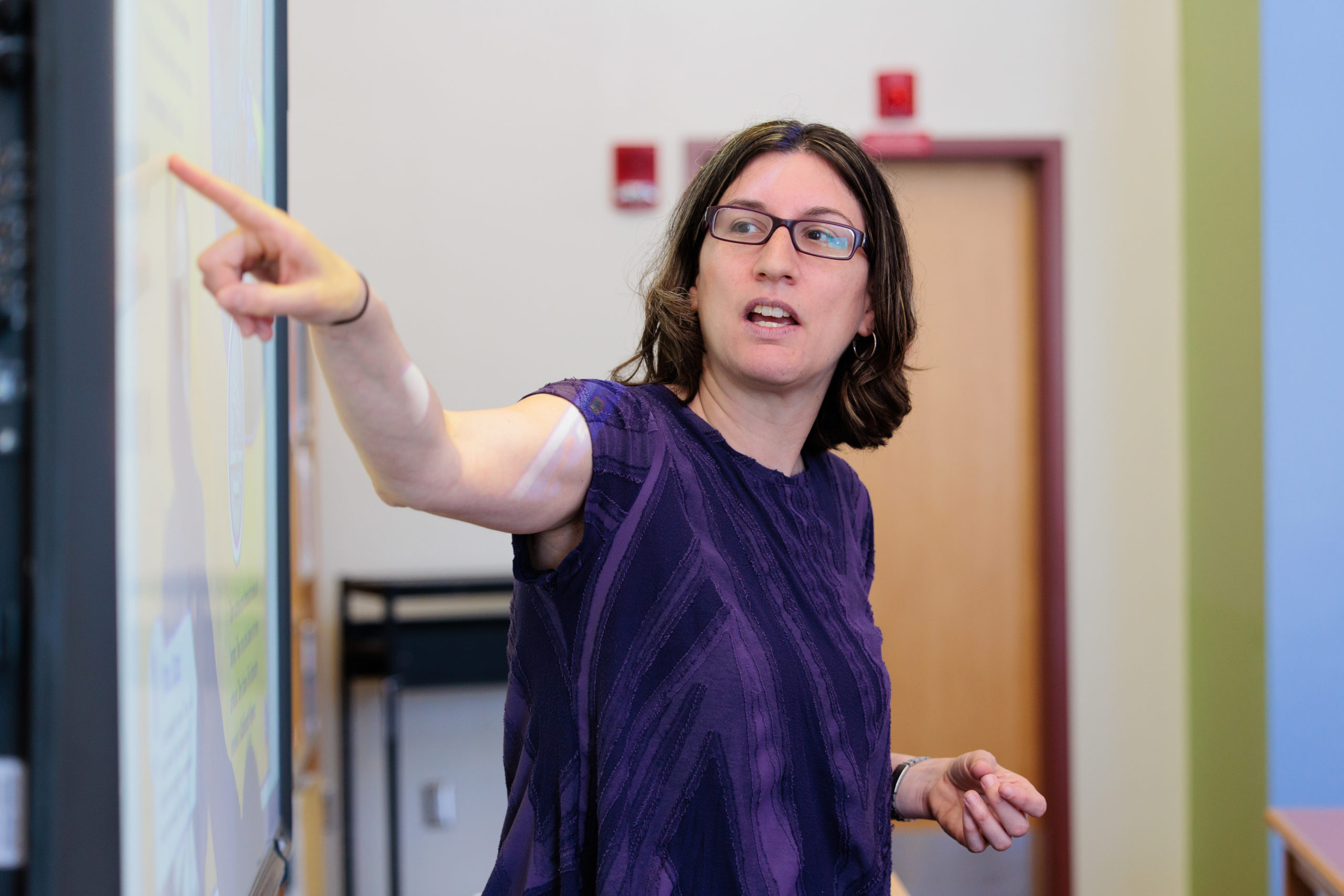
The Parshat Nitzavim-Vayeilech within the Book of “Devarim” that we read at the start of the school year is a synopsis of the important things the Israelites need to learn to be successful in the Land. I know I can’t walk down the high school hallways with our graduates when they leave here, but I sincerely hope that I’m doing a small part to send them off with the critical thinking skills they need to navigate whatever comes next. I think it’s also fitting that the mitzvah of hakhel (assembly) is mentioned in this parshah. Kehillah (community) and hakhel come from the same Hebrew root. According to the text in this parshah, in Torah times, the whole kehillah was only obligated to gather every seven years. I’m so grateful our community gathers together to celebrate Limud (learning) at the start of every year at Rashi.
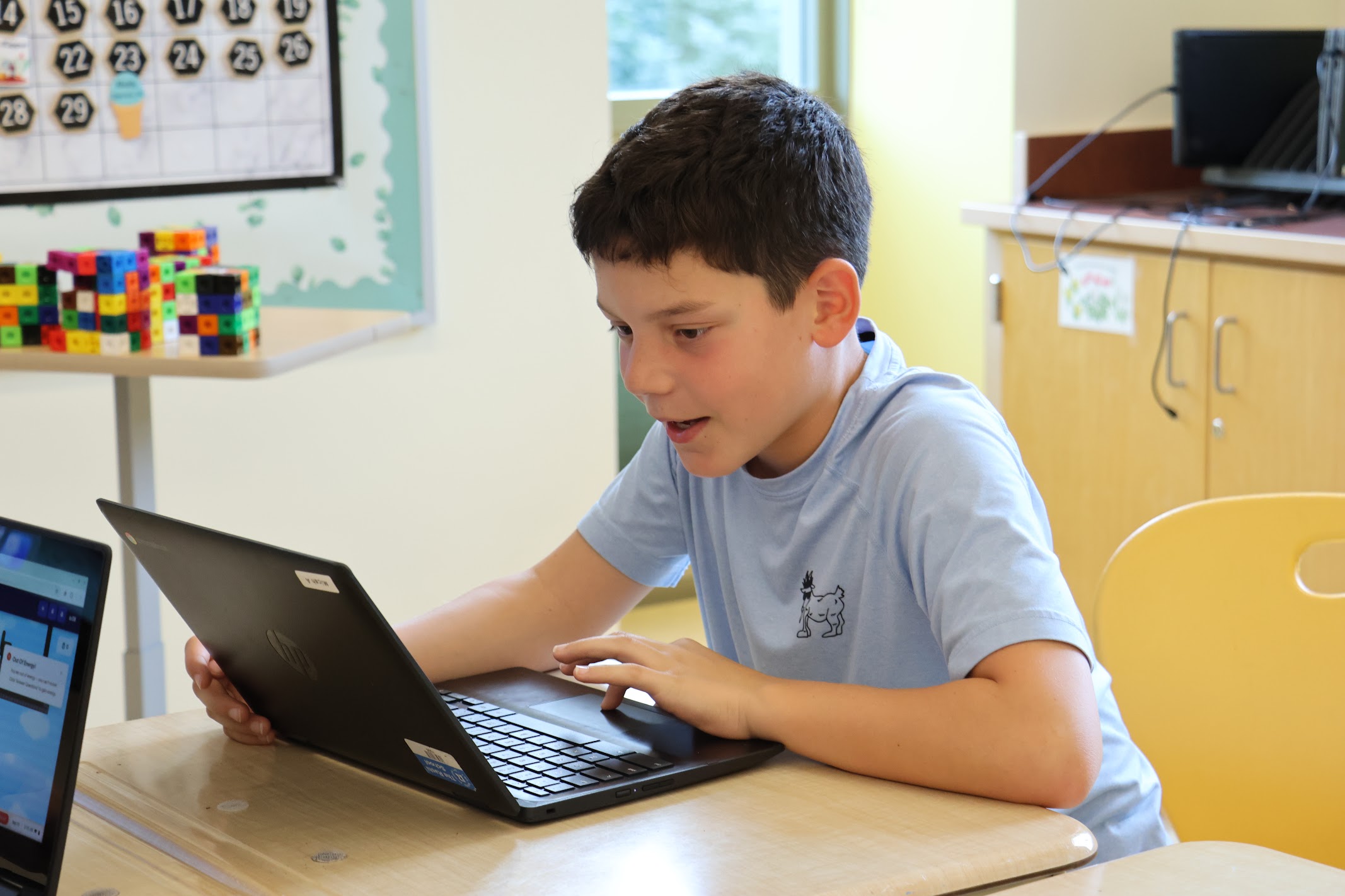
The Jewish People have always been known as the People of the Book. Thank you for believing in the power of our library and valuing the curious minds we’re nurturing together. At Rashi, we recognize that the library is so much more than a quiet room (and let’s face it, our library isn’t really so quiet!). By elevating library class to stand alongside other core academics and specials, Rashi has shown our students that imagination, media literacy, and a love of reading are essential to who we are.
For every book I’ve put into the hands of a Rashi student, for every source that I’ve vetted, for every website that I’ve blocked, it’s given me the opportunity to share my joy of literacy and learning with this remarkable kehillah. I look forward to another year of joy!